Showing posts with label The Alphabet of Outer Beings. Show all posts

Wednesday, December 19, 2018

The Alphabet of Outer Beings - V is for Vengeance


V is for Vengeance

Vengeance, the desire for a heaping bowl of revenge, best served cold and precise, like a good gazpacho. Vengeance, and revenge, can be either good or evil, lawful or chaotic. A paladin may seek vengeance by bringing the perpetrator to justice and, or they may fall from grace and descend into evil and chaos in order to exact their revenge. Revenge by itself is a neutral concept; a desire to balance an action (often an action perceived as wrong or harmful) with another.

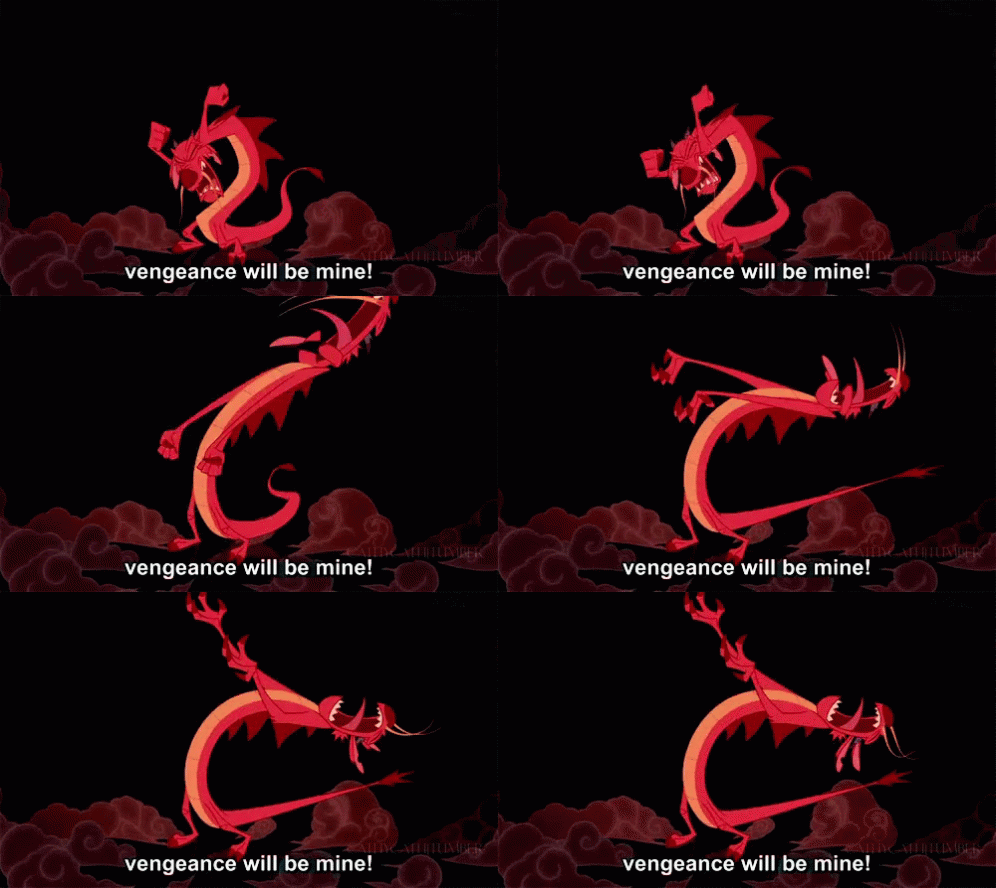
Table V1: "Vengeance will be mine!" (roll 1d20)
  1. Said the Lord of Eternal Darkness to the God of the Blazing Sun at the birth of creation; and thus shall end the world. 
  2. Cried the holy champion after the razing of their deity's temple at the hands of the infidels.
  3. Exclaimed the child wielding the wooden toy sword.
  4. Screamed the sorcerer after his patron withdrew support at a crucial moment.
  5. Whispered the assassin as she removed another name from her list.
  6. Cried the king as he cursed the deity whose clerics failed to save his child.
  7. Said the master of the Guild of Larcenists after finding his safe open and empty. 
  8. Thought the captain of the merchant ship as he watched his cargo loaded onto a pirate vessel.
  9. Said the Wizard of the Red Tower as they recovered from a recently lost spell-duel.
  10. Proclaimed the King as he set his lords to ready for war.
  11. Groaned the necromancer as he felt his life ebb from his body.
  12. Swore the child of the chief amid the corpses of his tribe.
  13. Exclaimed the priest of dread Cthulhu as they fled the destruction of their temple. 
  14. Gibbered the goblin shaman as they set upon the killers of their tribe. 
  15. Growled the dragon upon finding its favorite bauble stolen.
  16. Proclaimed the Queen of the Winter Faerie upon learning of the death of her Winter Knight.
  17. Promised the immortal while cradling her lover's body.
  18. Thought the soul of the wizard as it observed its rival taking over its sanctum.
  19. Whispered the librarian after finding the stacks disorganized.
  20. Dreamed the Old One in its prison of eternal slumber.

Wednesday, December 12, 2018

The Alphabet of Outer Beings - K is for Knowledge


K is for Knowledge

Deities and patrons are immensely powerful beings, but they often have more than raw power to use to influence events to their liking and as trade for favors. This kind of knowledge can come from many sources and is often received in trade for other secrets. Some creatures even make the collection of secret knowledge their purpose, gathering it for safekeeping or for their own power.

Table K1: Things Known About ... (roll 1d4)

  1. Objects (proceed to table K5)
  2. Locations (proceed to table K4)
  3. Beings (proceed to table K2)
  4. Other (proceed to table K6)
Table K2: Things known about a being ... (roll 1d6, then roll on table K3)
  1. The true name of a...
  2. The location of the secret sanctum of a...
  3. The true weakness of a...
  4. The source of power for a...
  5. The location of a book of knowledge about a...
  6. The secret true identity of a...
Table K3: 1d8 Beings
  1. Deity
  2. Demon
  3. Wizard
  4. Lich
  5. Dragon
  6. Warlord
  7. Immortal
  8. Fey/Faerie
Table K4: Things known about a location... (roll 1d6)
  1. The location of hidden vault of a treasure. 
  2. The secret passcode to enter the library of the knowledge spirits.
  3. The location of portal between the mortal plain and the underworld.
  4. The true purpose of an ancient obelisk.
  5. The source of power within the fountain of youth.
  6. The purpose of the world.
Table K5: Things Known about an object... (roll 1d6)
  1. The location of the phylactery of a powerful lich.
  2. The identity of the soul contained within a powerful artifact.
  3. The identity of the next wielder of the sovereign sword.
  4. The contents of the Vault of Ages
  5. The reason why the Rod of Power was broken into pieces and hidden throughout the world. 
  6. The actual purpose of an artifact currently being used for completely different reasons.
Table K6: Other Knowledge... (roll 1d6)
  1. A long forgotten form of magic
  2. The truth behind the creation of the mortal races
  3. The techniques to alter fate.
  4. Detailed knowledge of the future.
  5. The secrets to immortality. 
  6. The being who holds the knowledge of (roll again from the beginning).

Wednesday, December 5, 2018

The Alphabet of Outer Beings - X is for Xenophobia


X is for Xenophobia

Xenophobia is a fear or hatred of foreigners and people from other cultures. In this instance it assumes that there are many deities and/or pantheons at work in the world and that the worship of a particular religion is a major defining characteristic of the people's culture. As such xenophobia represents not just a fear or hatred of other cultures but is conflated with the fear and/or hatred of followers of other deities. What follows is a means to determine how the deity and it's followers see and treat other religions and their followers.

Table X1: Attitude Toward Other Gods (roll 2d4)
Roll to determine how the god views another deity. This is often influenced by the cosmology of their religion; a god who exist as part of a pantheon of deities will have closer relations with others within their pantheon, and tend to be more distrustful of those gods from outside the pantheon. When rolling to determine the deity's attitude apply a -2 modifier to the roll for gods within their pantheon, and a +2 modifier for gods outside their pantheon. Lone gods without a pantheon gain a +3 modifier on all rolls. If the gods have opposing domains (such as a god of light and one of darkness) the roll is always +4. If the gods have opposing cosmic views (e.g. Law vs Chaos) apply an additional +1 atop any other modifier.
  • 2 or less: Friendly - The deity has a friendly relation with the other deity. They consider each other stalwart allies.
    • Apply a modifier of -3 to the roll on Table X2
  • 3: Accepted - The deity accepts the other deity. They are allied in most respects.
    • Apply a modifier of -2 to the roll on Table X2
  • 4: Tolerated - The deity generally tolerates the other deity, but they are allies only in certain circumstances.
    • Apply a modifier of -1 to the roll on Table X2
  • 5: Neutral - The deity has no strong relationship either way with the other deity. They generally will entreat when circumstances require, and ignore each other otherwise.
    • No modifier to the roll on Table X2
  • 6: Wary - The deity is war of the other and their relationship is, at best, strained.
    • Apply a modifier of +1 to the roll on Table X2
  • 7: Rejected - The deity generally rejects the other deity and avoids contact. They are enemies and only entreat when a great enemy forces their cooperation.
    • Apply a modifier of +2 to the roll on Table X2
  • 8:+ Hatred - The two deities hate each other to the very core of their beings. The will never entreat and will always seek the destruction of the other.
    • Apply a modifier of +3 to the roll on Table X2
Table X2: Typical Response to Followers of Other Religions (roll 2d4)
  • 2 or less: Friendly - Members of the other deity's religious cultures and viewpoints are welcomed and viewed as an opportunity to learn more about the nature of the world.
  • 3: Accepted - Members of other deity's religions live in peaceful coexistence.
  • 4: Tolerated - Members of the other deity's religions are not enemies, but there is not an active dialog between cultures.
  • 5: Neutral - The two religions generally ignore each other and do not interact.
  • 6: Wary - The two religions are not enemies, but they are often in conflict.
  • 7: Rejected - The religions are enemies, and conflict nearly always breaks out when they interact.
  • 8+: Hatred - Followers of the other religion are to be immediately slain without mercy as heretics and blasphemers.

Wednesday, November 28, 2018

The Alphabet of Outer Beings - M is for Miracle

Image Source: https://www.deviantart.com/artdeepmind/art/Cleric-675034125

M is for Miracle

Miracles are the stuff of divine legend. The handiwork of a divine hand reaching down to the mortal plane and performing the impossible, but what is impossible in a world of wizards and magic, of dragons and demons? When a faithful cleric of a god can heal with a touch and blast enemies with divine retribution as easily as he kneels to pray what does "miracle" really mean in that context?

Table M1: 1d20 Miracles in a World Full of Magic
  1. The local temple's holy symbol begins to weep (or bleed). Collecting and drinking this fluid will cure disease and heal injury. 
  2. A virulent plague that leaves naught but death in its wake fails to infect the citizens of an especially pious town. 
  3. A raging fire burns down an entire town/city except for the temple of the deity.
  4. The local lord (or duke, or king, etc) swaps alignment on the eve of a significant holy day. 
  5. Within the bounds of a certain holy site all present can comprehend all languages.
  6. An endangered town is taken wholly out of their native plain and into the deity's divine home as a means of protection, it returns to the mortal plain for 1 day every month. 
  7. The image of the deity's divine symbol on a battlefield rallies the faithful troops to defeat a greater force.
  8. A downtrodden faithful is given a prophetic view of the divine plan, restoring his faith and setting into action events that serve the deity's plans.
  9. The deity reaches out and blights the lands, killing hundreds, but preventing an invasion by a hoard of monsters which would have killed thousands. 
  10. The deity reaches out and smites the world itself, sundering the land and creating a geographical barrier between his chosen people and their enemies.
  11. The words of the deity's chosen priests and clerics are always understood but any who hear them. 
  12. A starving group of hundreds of faithful are able to eat their fill from a single day's worth of rations donated by a charitable person.
  13. The deity curses the land of a wicked queen with unending drought until she repents her ways.
  14. The spirit of a long dead champion of the deity descends from the divine plain to protect the deity's next champion as a child.
  15. A town or kingdom who have disobeyed the deity are struck down by natural disaster, but those few pious citizens are away or given divine warning to leave. 
  16. On the highest holy day of the faith no mortal worshiper of a given deity perishes.  
  17. A wandering people, the only remaining mortals who worship a deity, settle in an otherwise harsh and barren land, but find that their crops yield bountiful harvests and their beasts grow healthy and strong. 
  18. A king is divinely linked to his lands with his health and well-being becoming inexorably linked to that of the land. 
  19. For a period of one day both sides in a war were enabled to feel all the wounds they inflicted upon the opposite side. 
  20. A child, orphaned by monsters, rises up and protects their village without any formal training despite all odds.  

Wednesday, November 7, 2018

The Alphabet of Outer Beings - E is for Eschatology

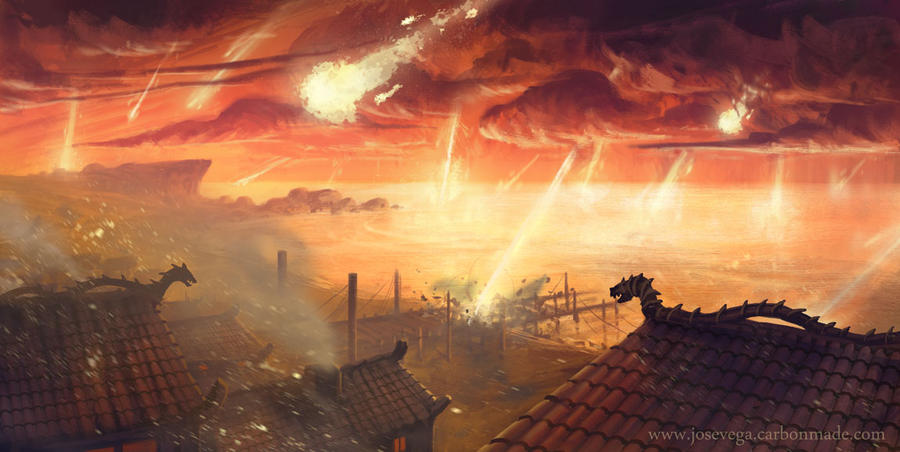
Image Source: https://www.deviantart.com/artofjosevega/art/Armageddon-376300293

E is for Eschatology

Eschatology is the study of, and the beliefs around, the end of the world. This may be a prophesied destruction of creation, the nest step in the cyclic destruction and renewal of the world and the gods themselves, or even a cultural shift that tears down the old world and brings forth a new culture.
This is the way the world ends,
Not with a bang, but a d20
(with all apologies to T.S. Eliot)

Table E1: 1d20 Ways to End the World
  1. The world will end in cold and darkness as all the gods, good and evil, perish due to lack of faith from the mortal realm. 
  2. A great war between the forces of law and chaos will consume the world and raze it to the ground. In the end only the godless survivors will know what comes after. 
  3. The end will come when the gods all perish and usher in a dark age bereft of divinity until such time as new gods arise once more from mortals powerful enough to claim the heavens for themselves.
  4. The world will end in fire when the sun god finally tires of the day/night cycle and scours the world clean with divine fire. 
  5. The current age will end when death and darkness are finally conquered and the followers of light and life achieve true paradise.
  6. The gods of a prior age, eternal and slumbering, will wake at last and cast down the current order and usher in a new age.
  7. The world will end with the arrival of a great new power that will upset the balance between law and chaos. 
  8. The great cycle of ages will come to an end and begin again with a final battle between the forces of life and death. 
  9. The forces of Chaos finally overthrow the last of the champions of Law. The mortal realm descends into pure anarchy as mortals tear each other apart without law to hold them together.
  10. The elemental balance will be upset and the world will be torn apart by the competing forces of air, earth, fire, and water raging out of control.
  11. The divine for forsake the mortals, and the world falls to the infernals and their servants becoming a twisted hellscape.
  12. The world will spin on without gods after technology grants mortals the power to slay the gods.
  13. The last souls will be born into the mortal realm, grow old, and perish, leaving the world quiet once more as nature reclaims the worlds. 
  14. The age will end when the mortal races die out and are replaced by new races of mortals, forcing the gods to change and adapt.
  15. The world ends when the gods finally tire of their games meddling in mortal affairs and destroy the mortal realm.
  16. The godkiller escapes it's prison within the world and begins to slay the gods one by one. The age ends with the death of the last god and the end of mortal religion.
  17. Powers unknown and unfathomable from outside of reality itself attack the mortal and divine realms slaying god and mortal indiscriminately. All worlds end as the very planes themselves are torn asunder. 
  18. The planes of reality crash together shattering and reforming with gods and mortals both undergoing change and rebirth.
  19. The forces of Law finally triumph over Chaos resulting in a world of pure law. The age ends with the mortal realm stifled by unending conformity, unchanging and without progress.
  20. The gods of darkness will finally extinguish the sun and snuff out all light and the world will come to an end in darkness and cold.

Wednesday, October 24, 2018

The Alphabet of Outer Beings - W is for Worship

Image Source: https://www.deviantart.com/wickard/art/Worship-703918944

W is for Worship

Patrons usually see their followers as tools, they perform tasks and get tiny glimpses of true magical power in return. Deities and gods however require the worship of their followers. For these beings the tiny amount of magical energy they gain from each and every follower who worships them feeds and sustains them. It forms the basis of their own divine power in a relationship that can be said to exemplify the adage that "the sum is greater than its parts." Depending on the deity they may have very specific requirements for worship, or at the least, preferred methodology that their mortal adherents show their devotion.

Table W1:  Worship (roll 1d20)
  1. No uniform system of worship
  2. Personal prayer 2d3 times per day
  3. Daily Informal Mass (led by a monk or nun)
  4. Monthly Sacrifice (see S is for Sacrifice)
  5. High Holiday with Festival (see F is for Festival)
  6. Weekly Informal Mass (led by a monk or nun)
  7. Monthly Festival (see F is for Festival)
  8. Daily Reading of fates (see O is for Oracle and P is for Prophecy)
  9. Weekly Formal mass (led by a priest or cleric) with Communion
  10. Daily personal prayer 
  11. High Holiday with Reading of fates (see O is for Oracle and P is for Prophecy)
  12. Monthly Formal mass (led by a priest or cleric) 
  13. Monthly Formal mass (led by a priest or cleric) with Communion
  14. Daily Formal mass (led by a priest or cleric) 
  15. Weekly Formal mass (led by a priest or cleric) 
  16. Monthly Reading of fates (see O is for Oracle and P is for Prophecy)
  17. Monthly Informal Mass (led by a monk or nun)
  18. High Holiday with Sacrifice (see S is for Sacrifice)
  19. Roll again twice and combine
  20. Roll again three times and combine

Wednesday, October 17, 2018

The Alphabet of Outer Beings - P is for Prophecy

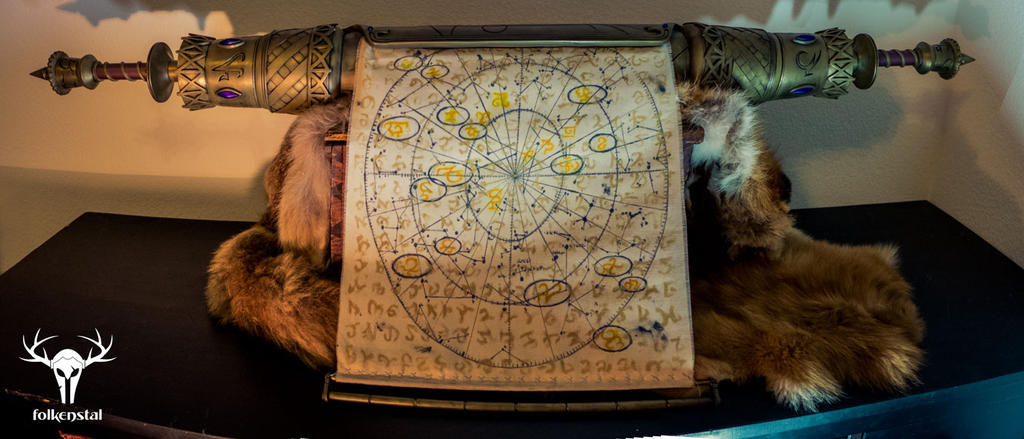
Image Source: https://www.deviantart.com/folkenstal/art/The-Elder-Scroll-Replica-opened-482156541

P is for Prophecy

Prophecies are predictions or foretelling of things to come. Often prophecies come in the form of cryptic , almost riddle-like, visions of the future through magical or divine means. These prophecies are difficult to interpret as they are often vague and the details as such that they could be fulfilled in multiple ways, or that the true intent of the prophecy is only made clear in the moment of it's coming to fruition.

In RPGs prophecies can be difficult to work with, and even more difficult for Judges to write. This will not write a prophecy for you, but instead give you a series of common pieces that you can string together in the rough structure of "A [adjective] [subject] will [verb] a [target] in [location]" or similar. The Judge is encouraged to roll when needed and parse together a prophecy that makes sense, or doesn't, or better still makes sense in more than one sense. A "groom will be slain by a crown" could be interpreted more than one way, a man to be married will be killed by a king/queen, or it could mean a groom (as in for horses) will be slain (as in will cease to be himself) by a crown (placed on their head when they gain control of a monarchy).

Table P1: Adjectives (roll 1d8)
  1. Albino
  2. Tyrant
  3. Innocent
  4. Pure
  5. Corrupt
  6. Lost
  7. Poor
  8. Wise
Table P2: Subjects (roll 1d10)
  1. Child/Son/Daughter
  2. WarriorHero/Champion
  3. Wizard/Sorcerer
  4. Demon
  5. Herald
  6. Father/Mother
  7. Prophet
  8. Marked
  9. Bride/Groom
  10. King/Queen
Table P3: Verbs (roll 1d12)
  1. Slay
  2. Find
  3. Release
  4. Become
  5. Born
  6. Perish/Die
  7. Be slain
  8. Bleed
  9. Sacrifice
  10. Replace
  11. Destroy
  12. Assemble
Table P4: Target
  1. Crown
  2. Weapon 
  3. Kingdom
  4. Book/Tome
  5. Gate
  6. Curse
  7. Temple
  8. Power
Table P5: Locations (roll 1d12)
  1. Direction:
    1. East
    2. West
    3. North
    4. South
  2. Water:
    1. Ocean/Sea
    2. River
    3. Lake
    4. Waterfall
  3. The Old Kingdom
  4. The Great City
  5. Jungle
  6. Steppes
  7. Wastes/Wastelands
  8. Below the earth
  9. Island
  10. Canyon
  11. Desert
  12. Mountains

Wednesday, October 3, 2018

The Alphabet of Outer Beings - L is for Legends

Image Source: https://www.deviantart.com/luthienthye/art/Legend-756057995

L is for Legends

Many are the legends and myths that surround powerful beings. These may be part of a Deity's religion or the rumor's surrounding a Patron's mortal life. Some such may be true, others patently false, and still others couched in such doublespeak that the truth is forever concealed. Some may be consider apocryphal despite their truth while others are embraced despite their falsehood. Below are 20 random legends that can be applied to any Outer Being or even used for other power creatures. For any given legend roll a d6, if the result is odd the legend is false, if even it is true.

Table L1: Random Legends (roll 1d20)
  1. The outer being gained the power and position by slaying another of their kind whose name is now lost to the winds of time.
  2. The most powerful mortal agent of the outer being is actually empowered by a fragment of its essence. 
  3. The outer being once slew a powerful dragon and freed an entire country from it's evil. 
  4. The outer being has many children by mortals who all stand to inherit the being's power should they perish. 
  5. Somewhere out in the world there exists a weapon forged expressly to kill the outer being. 
  6. The outer being has created many powerful weapons to be used by champions of the being's alignment and cast them throughout the world. 
  7. The outer being is a false being, a charlatan who uses the power of their worshipers or followers to further itself without having any true power of its own.
  8. The outer being is lying about its alignment and motives.
  9. An entire race of demi-humans exists because of a curse from the outer being.
  10. The outer being is the sole survivor of a faction of outer being's who were destroyed ages ago. 
  11. The outer being was once more powerful but through unknown means has lost some of its former power.
  12. A great and powerful empire lies buried in the west with a deep connection to the outer being.
  13. The outer being's aide is taxing and only through their followers and worshipers are they able to maintain their ties to the mortal realms. 
  14. The outer being is dying, and its followers are insufficient to do more than slow its death.
  15. The outer being sacrificed the lion's share of its power creating a powerful (roll 1d6) 
    1. creature 
    2. weapon
    3. magical spell 
    4. seal on a prison
    5. artifact of power
    6. other (judge's discretion)
  16. An avatar of the outer being will be born to a mortal family when the next celestial alignment occurs. 
  17. The outer being is waging a war against an ideological opposite and uses the power gained from worshipers/followers to fuel that conflict.
  18. The outer being is the warden of a prison for powerful entities beyond knowing.
  19. Unlike others of its kind the outer being lives in the mortal realms and hides itself with powerful magics or remote locations.
  20. The outer being was born a mortal marked for greatness who fulfilled an ancient prophecy and gained their immeasurable power.

Wednesday, September 19, 2018

The Alphabet of Outer Beings - B is for Boons

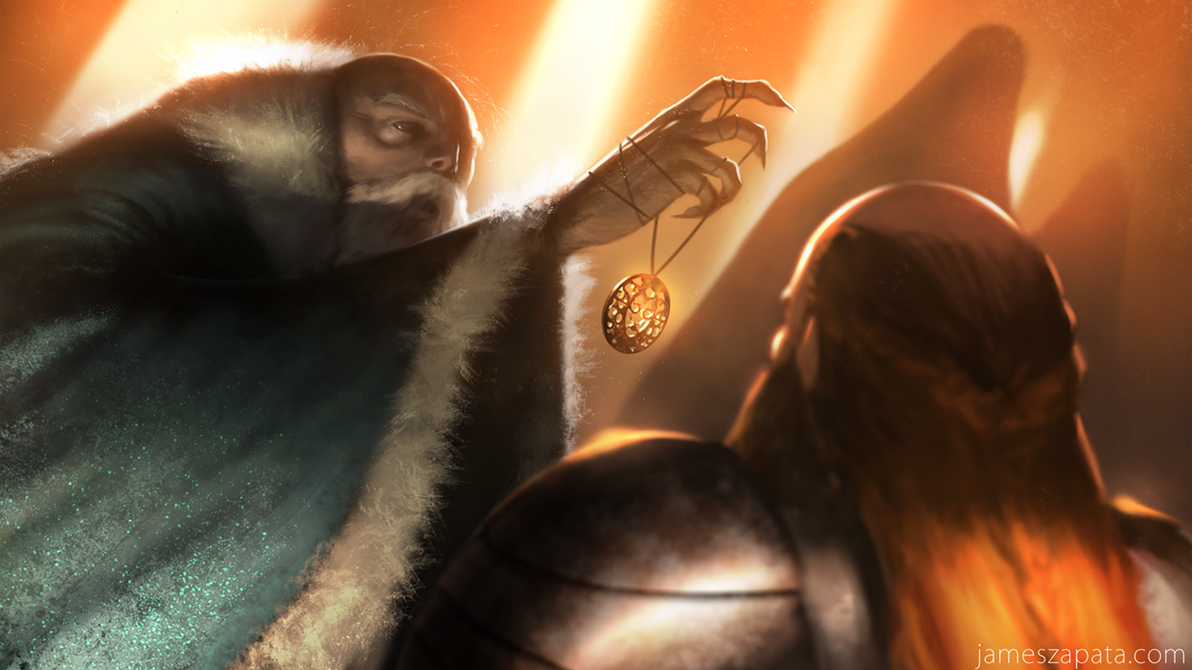
Image Source: https://www.deviantart.com/jameszapata/art/Boon-336424298

B is for Boons

Deities provide many boons for their followers in the form of blessings, spells, and other divine gifts. Patrons often reward their followers with knowledge and understanding. Occasionally a patron may make a more direct hand in the affairs of their mortal followers however and provide direct assistance. These boons may come at after a great deed or labor is performed or be bestowed prior to the vassal embarking upon a notable quest for their patron. The boon lasts until such time as the patron deems the vassal no longer worthy, or as noted.

Table B1: Supernatural Boons (roll 1d20)
  1. Blessing of the Dragon's Blood (gain +1 AC)
  2. Gift of Hermes (gain +30' movement per round)
  3. Favor of Charon (may automatically succeed at a "roll the body" check one time)
  4. Gift of Zeus (increase all lightning damage dice +1d)
  5. Blessing of Horus (gain a +1 to Will saves)
  6. Gift of Aphrodite (gain +1 Personality)
  7. Blessing of Fortune (gain +1 Luck)
  8. Gift of Athena (gain +1 to Intelligence) 
  9. Blessing of the Crone (gain +1 to spell checks)
  10. Gift of Hades (increase all cold damage dice +1d)
  11. Blessing of Cthulhu (gain a cumulative 1% chance to spontaneously resurrect from death for every 100 years dead)
  12. Gift of Mars (gain +1 to attack rolls)
  13. Blessing of Osiris (gain +1 to Fortitude saves)
  14. Gift of Hephaestus (increase all fire damage dice +1d)
  15. Blessing of Achilles (gain +1 to Reflex saves)
  16. Gift of Poseidon (may breathe under water for 1 turn per level per day) 
  17. Blessing of Merlin (immune to surprise attacks) 
  18. Gift of Artemis (gain +1d on ranged attack rolls) 
  19. Twist the Strands of Fate (once per day re-roll a die roll)
  20. Gift of Aesculapius (gain a +1 to all HP recovery rolls)

Wednesday, September 5, 2018

The Alphabet of Outer Beings - O is for Oracle


O is for Oracle

Oracles are people who provide counsel and often prophetic predictions of the future, via precognition inspired by their god. The methods of their divination vary, and some made require study and readings while other may be struck by visions. Oracles tend to be either well treated for the prophetic powers or shunned for the ill news and perceived bad omens they foretell.

Table O1: Oracular Methods (roll 1d6)
Oracles have various means of divining the future, some are studies in the ways of making readings while others are given the gift of prophetic visions. There is an even chance of a Oracle being a skilled reader or a gifted visionary. Roll a d6, if the result is even roll on Table O1a: Readings, if the result is odd roll on Table O1b: Visions.
  • Evens: Readings (roll 1d8)
    1. Ossomancy, the reading of bones
    2. Cubomancy, the reading of dice
    3. Hieromancy, the reading of entrails
    4. Tasseography, the reading of tea leaves
    5. Spodomancy, the reading of ashes
    6. Astology, the reading the stars
    7. Tarotmancy, the reading of tarot cards
    8. Chiromancy, the reading of palms
  • Odds: Visions (roll 1d6)
    1. The visions come at random, about a random subject.
    2. The visions come when touching the intended subject
    3. The visions come only when exposed to a holy substance
    4. The visions come during sexual climax brought about by the subject
    5. The visions come during epileptic seizures 
    6. The visions are brought about by ritualized fasting and prayer

Table O2: Oracle Status (roll 1d6) 
The oracle may be a respect member of the community or a shunned outcast whose prophecy is cursed.
  1. The oracle is an outcast who is shunned by all who know better.
  2. The oracle is the leader of a local temple or sacred site 
  3. The oracle is a respected "wise person" in their town or village
  4. The oracle is feared but respected, they wander the country but receive hospitality from those they encounter
  5. The oracle lives in a remote location and only by making a perilous journey can they be reached by those worthy of glimpsing their fate
  6. The oracle is kept by a powerful individual such as a king, high priest, warlord, or wizard. Their status will depend on if they serve willingly (50%), and the status of their keeper

Table O3: Prophetic Details (roll 2d4)
The gift of prophecy is a difficult one to bear, especially depending on how often the prophecy comes true and how easy it is to understand.
  1. IGNORE ME!!!!!!
  2. The prophecies are cryptic and couched in double meaning but 100% accurate and always come to pass
  3. The prophecies are cryptic and difficult to interpret, but are often accurate (70%), and often come to pass (70%)
  4. The prophecies are difficult to fully grasp (50%), and occasionally inaccurate (50%), and only come to pass half the time (50%)
  5. The prophecies seem easy to understand but are often misunderstood (20% chance of a false interpretation), and are often wrong (70%), or fail to come to pass (70%)
  6. The prophesies are somewhat easy to interpret (60%), but occasionally inaccurate (50%), and only come to pass half the time (50%)
  7. The prophecies are clear and easy to understand, and mostly accurate (80%) and often comes true (80%)
  8. The prophecies are clear and chillingly easy to understand, they are also 100% accurate and come to pass no matter how much one tries to prevent them

Wednesday, August 22, 2018

The Alphabet of Outer Beings - U is for Unholy

Image Source: https://www.deviantart.com/chadmichaelward/art/Unholy-Trinity-106868752

U is for Unholy

The clerics of most deities have the ability to channel divine energies to rebuff, damage, and even destroy utterly, entities that their deity considers anathema. Deemed "unholy" by their mortal worshippers these abominations in the sight of the gods are often used as targets for questing knights of holy orders, and are often rare to find within the domains of followers of such deities. Deities often take offense to the existence of multiple creature types, but some may focus their enmity on fewer, or even single creature types. A cleric of such a deity will find their ability to "turn unholy" especially effective in such cases.

Table U1: Number of Unholy (roll 2d4)
  • 2: A single creature type is truly abhorrent to the deity to the exclusion of others. (skip Table U2
    • When turned, these unholy suffer a turn effect three steps/levels/results worse than the normal effect.
    • Roll 3 times on Table U3 and gain +3 for each benefit rolled.
  • 3: Roll 2+1d3 creature types on Table U2
    • When turned, these unholy suffer a turn effect one step/level/result worse than the normal effect.
    • Roll 2 times on Table U3 and gain +2 for each benefit rolled.
  • 4-6: Roll 5+1d3 creature types on Table U2
    • Turned as normal.
    • Roll once on Table U3 and gain +1 for the benefit rolled.
  • 7: Roll 2+1d3 creature types on Table U2
    • When turned, these unholy suffer a turn effect one step/level/result worse than the normal effect.
    • Roll 2 times on Table U3 and gain +2 for each benefit rolled.
  • 8: A single creature type is truly abhorrent to the deity to the exclusion of others. (skip Table U2
    • When turned, these unholy suffer a turn effect three steps/levels/results worse than the normal effect.
    • Roll 3 times on Table U3 and gain +3 for each benefit rolled.
Table U2: Types of Unholy Creatures (roll 1d12 as indicated by Table U1) 
In addition to the unholy rolled below, Lawful and Chaotic deities automatically gain all creatures of opposing alignment as unholy.
  1. Undead
  2. Demons and/or Devils 
  3. Magical Constructs (golems, homunculi, etc.)
  4. Unnatural Creatures (slimes, molds, gelatinous cubes, etc)
  5. Humanoids (roll 1d10 to determine species)
    1. Dwarfs
    2. Elfs
    3. Halflings
    4. Humans
    5. Goblins
    6. Orks
    7. Trolls
    8. Ogres
    9. Lizardmen
    10. Serpentfolk
  6. Natural Animals
  7. Dragons
  8. Hybrid Creatures (such a chimera, griffins, manticore, sphynx, etc.)
  9. Monsters (basilisks, phase creatures, hydra, etc.)
  10. Fae/Fairies
  11. Celestials/Angels
  12. Shapeshifters (lycanthropes, changelings, etc)
Table U3: Special Benefits Against Unholy (roll 1d8 as indicated in Table U1)
  1. Your deity's holy symbol repulses the Unholy and their powers passively; your bonus applies to all saving throws against Unholy powers. 
  2. Your training makes you especially adept at combat against the Unholy; your bonus applies to attack rolls against the Unholy creatures. 
  3. Your deity has bond with a key substance (such as water, oil, silver, etc.) that takes their blessing strongly and reacts to Unholy creatures; when using a blessed item of that substance against Unholy creatures your bonus increases the result of the blessing accordingly.
  4. Your faith acts as a symbol for those who follow you to rally around; your allies gain your bonus to their Will saves against the Unholy. 
  5. Your faith acts as a shield against the Unholy for those who follow you; your allies gain your bonus to their AC against the Unholy. 
  6. You faith strengthens your allies against the Unholy; your allies gain your bonus to their Fortitude saves against the Unholy. 
  7. Your deity's servants are especially quick to answer your pleas for aid against the Unholy; you gain your bonus for any attempts to summon such servants to aid you against the Unholy. 
  8. You deity's holy symbol burns the Unholy like a brand; you may wield your holy symbol as a weapon dealing 1d6 plus your bonus as damage. 

Wednesday, August 8, 2018

The Alphabet of Outer Beings - Y is for Yeoman


Author's Note: When I started this project on somewhat of an unplanned whim earlier this year I created a list of topic ideas and was able to get about 25 of the letters. Y, was the holdout. I wracked my brain, and even talked with a bunch of folks at Gary Con about what a good "Y is for..." would be that wouldn't also get overly specific (such as Yog-sothoth, or Yellow Sign). Ultimately I figured "That's December Marc's problem," since I had a whole lot of other letters, all with good ideas already lined up. As the letters tick-tocked by and this became less a "that could be fun" and more a "I can really do something cool if I finish this" I started to sweat that maybe "Y is for..." would be my downfall. I'm therefore doubly pleased to not only have a great idea for Y but to present it early to you all (strike while the iron is hot and all that), and let some other letter be the final post of this series. 

Y is for Yeoman

Yeoman are the servants and attendants of clergy, wizards, nobles, and kings. They are the faithful servants who go nearly unseen, and often unrecognized. Some may be born into their station, others sold into it, and still others chosen for the great honor of service. Regardless these men, women, and children are often in the room when great and powerful people do important things, but their names are seldom recorded for posterity.

Table Y1: Yeoman Origins (roll 1d6)
Yeoman are brought into their service in a number of ways and often their origins are very specific to the station they serve.
  1. Orphans - The yeoman are ophans, taken from the local orphanages between a certain age (often 10-12 years old) to serve. They may or may not considered slaves.
  2. Volunteers - The yeoman are volunteers who serve at thier will, often for defined terms of 1, 3, 5, or 10 years at a time.
  3. Slaves - The yeoman are simple slaves, bought into service with their freedom revoked. 
  4. Chosen - The yeoman are chosen to serve, with service often being considered a great honor. Unlike volunteers, above, the yeoman are chosen from the population, and may not wish to serve.
  5. Tithed - The yeoman are part of a tithe owed to the church or patron, chosen by the people, and given, either as slaves or as defined term laborers, to the service of the clergy or wizards.
  6. Matrons (only post-menopausal women may serve)
Table Y2: Yeoman Requirements (roll 1d10)
Not all yeoman are created the same. Many religions or wizardly patrons require that only a certain type of individual serve as yeoman. 
  1. Virgins (often also a specific sex)
  2. Eunuchs 
  3. Children (not older than post-pubescent, once yeoman age out of service they often join the ranks of the clergy or sorcerous acolytes)
  4. Blind (or blinded after being brought into service) 
  5. Mute (or rendered mute after being brought into service)
  6. Deaf (or rendered deaf after being brought into service)
  7. Specific Sex (male, female, intersex, etc)
  8. Physical Appearance (eye color, hair color, subjective attractiveness, etc) (often also a specific sex)
  9. Natural Ability (intellect, psionic power, physical fitness, etc)
  10. Roll again twice and combine
Table Y3: Yeoman Duties (roll 2d4)
Yeoman are sometimes given to a particular service, apart from the general housekeeping and other such work executed by more common servants.
  • 2: Sexual Services (the yeomen are required to perform sexual services in addition to, or in place of, other work)
  • 3: Inner Circle (the yeomen are the sole servants of the highest ranking clergy or wizards only)
  • 4-6: Standard duties, the yeomen act as general purpose servants for their masters.
  • 7: Translators (yeoman is fluent in at least 1d4 additional spoken languages)
  • 8: Scribes (yeoman is literate in at least 1d4 languages)

Wednesday, July 25, 2018

The Alphabet of Outer Beings - N is for Numerology


Many Outer Beings have a number that carries great weight to them and their followers. Occult numbers are often found in the beliefs of Law aligned Outer Beings. Chaotic Outer Beings may have claim to a number but this is very rare for their chaotic nature means that regularity and relationship are seldom partners.

Determination of an Occult Number
  • Roll 1d3 to determine the number of digits
  • Roll 1d10 to determine each digit
Table N1: Occult Significance of the Number (roll 1d3)
  1. The number is extremely lucky
  2. The number is significant but is neither explicitly lucky or unlucky
  3. The number is extremely unlucky
    Table N2: Occult Meaning of the Number (roll 1d6)
    1. The number is closely associated with death and destruction
    2. The number is closely associated with wealth and fortune
    3. The number is closely associated with wisdom and learning
    4. The number is closely associated with nature and weather
    5. The number is closely associated with the stars and power
    6. The number is closely associated with The number is closely associated with rebirth and healing
    Table N3: Divination of Number (roll 1d6)
    1. The number is significant if it comes up at random.
    2. The number is significant when calculated based on complex formula kept secret by seers and diviners. 
    3. The number is used when throwing bones or dice.
    4. The number is in conjunction with a calendar used by the followers of the Outer Being.
    5. The number is used in geometric drawing that is then interpreted by a seer.
    6. The number is used in combination with blood divination.

    Wednesday, July 11, 2018

    The Alphabet of Outer Beings - J is for Janissary

    Image Source: https://www.deviantart.com/cg-zander/art/Viper-Janissary-481839206

    J is for Janissary

    Janissaries are elite warriors who act as the bodyguards for powerful or important individuals or households. Unlike crusaders, paladins, and zealots the sole responsibility of a janissary is to protect their charge. Janissary battalions are created by powerful patrons, as yet another means of control and influence over the mortal world, and by powerful churches to protect their highest ranking clerics and most treasured holy sites.

    Table J1: Janissary Signature Weapons (roll 1d6)
    Janissaries are often known for using a special weapon that is not commonplace outside of their ranks.
    1. Enchanted or Blessed weapon (gains +1 die increment to damage)
    2. Wands (contains 1d10+5 charges of an attack spell)
    3. Heavy Crossbow (Increase damage die 2 increments, takes a full action to reload)
    4. Compound Bow (Increase damage die 1 increment)
    5. Alchemical Grenades (thrown explosive that deals 3d6 damage to target, 2d6 in a 5' radius, and 1d6 damage, from 5' to 10' radius)
    6. Black Powder Muskets/Rifles (treat as a Heavy Crossbow (above), also ignores armor on attacks (or gains an attack die increment), and all fumbles results are automatically the highest possible result). 
    Table J2: Janissary Specialized Support (roll 1d6)
    Janissary battalions often benefited from specialized support that enabled them to focus on being purely military units.
    1. Cadre of elite surgeons or clerics specialized in healing and treating of wounds. 
    2. Artillery support via the use of ballista, catapults, black powder cannons, or magic  
    3. Engineering corps who clear or prepare the roads ahead (ensures faster movement)
    4. Service support who travel ahead of the main force to prepare camp (ensures better rested warriors)
    5. Armorer corps who maintain and provide weapons and armor
    6. Roll again twice.
    Table J3: Codes of Conduct
    Janissary units are held to very strict codes of conduct and loyalty. In addition to their unwavering loyalty to their employer, be it temple or or wizard, they are expected to follow strict codes of behavior. Janissaries belonging to a religious order are also expected to be devout and uphold the tenants of their religion.
    1. The Janissary may not marry.
    2. The Janissary must always be armed and armored in public.
    3. The Janissary may not practice any skill other than those of a warrior.
    4. The Janissary must accept all offers of surrender from their foes.
    5. The Janissary may not grow facial hair.
    6. Roll again twice. 

    Wednesday, June 27, 2018

    The Alphabet of Outer Beings - F is for Festival

    Image Source: https://lordoguzhan.deviantart.com/art/Perselia-and-the-Festival-of-the-Stars-751144027

    F is for Festival

    Festivals are, broadly, celebrations of religious holy days, or other significant and important dates. They are often celebrated through feasting, music, ritual, ceremonies, and/or other observances. Festivals for patrons may be times when the patron's followers are required to enact a certain ritual during a cosmic event such as an alignment or solstice. Religious holy days commemorate the important events within the religion and/or the life of the deity. While many festivals are celebratory some may be sombre occasions, or may be preceded by fasting or other periods of denial.

    Table F1: Duration of Festival (roll 1d6)
    1. 1d3 days (calendar)
    2. One day (sunrise to sunset)
    3. One full day (calendar, sunrise to sunrise)
    4. One night (sunset to sunrise) 
    5. 2d4 nights (observances only after sunset)
    6. 2d3 significant hours (e.g. the hours around midnight, sunrise, the solstice, etc.)
    Table F2: Purpose of Festival (roll 1d3 and 1d3)
    1. Remembrance of...
      1. a significant battle
      2. the death of a saint
      3. one's ancestors or dead relations
    2. Celebration of...
      1. a miracle
      2. a major celestial event
      3. a saint (birth, canonization, etc.)
    3. Observance of...
      1. Harvest Season
      2. New Year
      3. Planting/Spring
    Table F3: Festival Focus (roll 1d8 twice and combine)
    1. Food
    2. Drink
    3. Music 
    4. Dancing
    5. Contemplation of religious teachings/writings
    6. Ritual Sacrifice (see S if for Sacrifice)
    7. Games or contests
    8. Reflection on the meaning of the festival
    Table F4: Prohibited Conduct (roll 1d6)
    1. Overindulging
    2. Singing
    3. Working during the festival
    4. Preparation of food during the evening hours
    5. Consumption of food during the daylight hours
    6. Consumption of a specific substance
    Table F5: Festival Accoutrements (roll 1d4)
    1. None
    2. Specific style of dress (e.g. traditional, costumes, lack of clothing, etc.)
    3. Symbolic Decoration (e.g. use of decorated eggs to symbolize the changing of winter to spring)
    4. Iconic Decorations (e.g. images of ancestors/relatives, Idols of a Deity, etc.)

    Wednesday, June 13, 2018

    The Alphabet of Outer Beings - G is for Geas

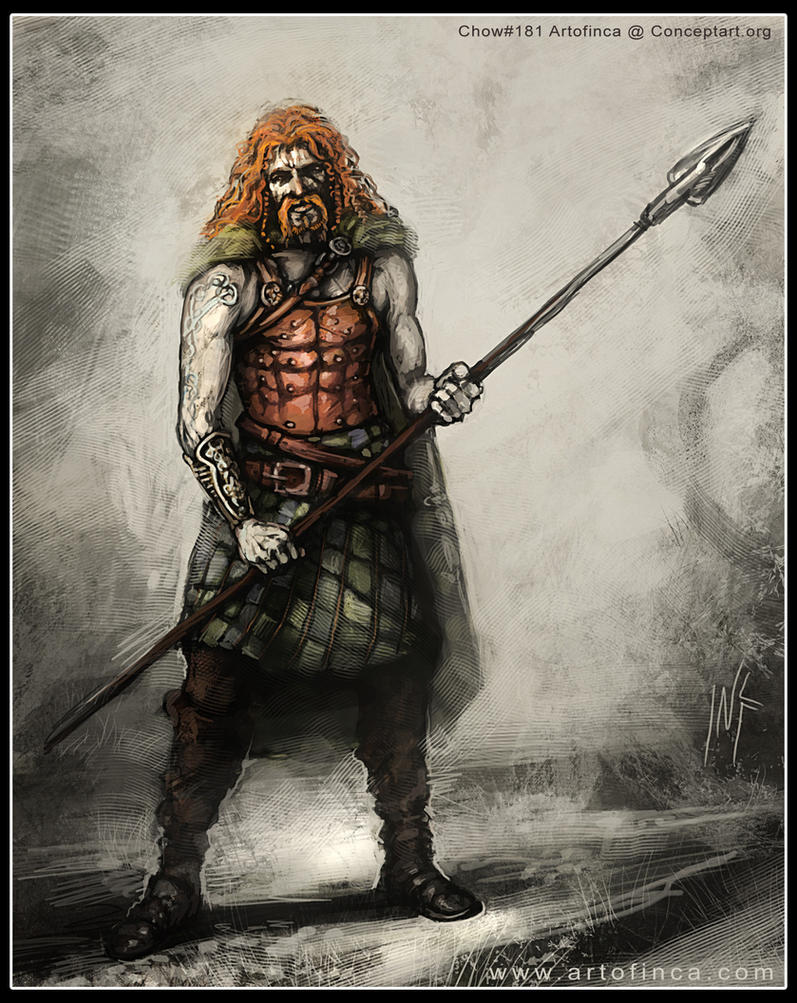
    Image Source: https://www.deviantart.com/art/Cu-Chulainn-145162388

    G is for Geas

    A geas (sometime geis, plural geasa) is a vow or taboo requiring, or prohibiting, a certain behavior. A geas can be a societal or supernatural and the consequences of breaking such a geas will vary greatly depending on the source. The breaking of a societal geas can result in dishonor for being rude, or ma y even result in imprisonment as though a law was broken. The breaking of a supernatural geas can result in spiritual or physical weakness, or any number of other potential effects. Below are several options for supernatural geasa and the ramification of breaking them. These may be gained via a powerful Curse spell, at the hand of a powerful witch, wizard, or other magic users, or even be the result of an angry god or dealings with the lords and ladies of the fae.

    Table G1: Type of Geas (roll 1d8 & 1d6 then continue to Table G2)
    The oath-bound is ...
    1. ... prohibited from consuming the flesh of ...
      1. Dogs
      2. Chickens
      3. Fish
      4. Goats
      5. Cows
      6. Sheep
    2. ...  required to repay ...
      1. all debts
      2. any slight or insult
      3. kindness
      4. violence
      5. gifts
      6. fines
    3. ... prohibited from lying to ...
      1. Children
      2. Women
      3. Siblings
      4. Witches
      5. Royalty
      6. Virgins
    4. ... required to accept ... 
      1. offered hospitality
      2. offers of surrender
      3. all gifts
      4. the first offer (cannot bargain)
      5. their fate (may not re-roll dice, and the character cannot try to change prophesied events)
      6. legal judgements
    5. ... prohibited from fighting with ...
      1. Thrown weapons
      2. Swords
      3. Maces
      4. Clubs
      5. Knives
      6. Bows
    6. ... is required to ...
      1. observe celestial events (solstices, eclipses, etc.) with appropriate rituals
      2. tithe 3d3x10% of their income to their lord or deity
      3. follow all orders from those of higher station
      4. introduce themselves with their true name 
      5. remain silent unless they pay somebody to listen
      6. accept all challenges laid upon them
    7. ... prohibited from consuming ...
      1. Alcohol
      2. Sweets
      3. Caffine
      4. Eggs
      5. Preserved foods (e.g. salted, canned, etc)
      6. Mushrooms
    8. ... prohibited from entering a home without ...
      1. gaining permission from the owner
      2. wiping your feet
      3. offering a gift
      4. removing headgear
      5. removing one's weapons
      6. washing one's hands
    Table G2: Effects of a Broken Geas (roll 2d6 + Luck Modifier)
    All effects are permanent unless otherwise noted or the character undergoes a lengthy process to make restitution for breaking the geas. The oathbound will generally have some idea of the strength of the geas that has been laid upon them.
    1. (or lower) Instant Death! No save. 
    2. Crippling weakness! The oathbound suffers permanent 2d6 Stamina damage, and 1d6 Strength and Agility damage.
    3. Weakness! The oathbound suffers permanent 1d6 Stamina damage.
    4. Major Curse! The oathbound suffers a permanent penalty of -2d3 to all rolls. 
    5. Minor Curse! The oathbound suffers a permanent penalty of -1d4 to all rolls. 
    6. Fate's Torment! The oathbound becomes an immortal pox upon his very race. Forevermore those he meets will be struck with bad luck, and only by removing themselves from the society will they be able to prevent their curse from targeting others. They are cursed to live forever alone. 
    7. Fate's Target! The oathbound is fated to die by the whims of fate. Every day there will be a minimum of 2d4 times when the character will need to escape death's grasp. This can take any form, from a ship sinking, to an attack of brigands, a rival's assassin, or slipping in the bath. 
    8. Amnesia! The world forgets you entirely! The oathbound is wiped from the minds of every person who ever knew them except deities and the person or being that laid the geas upon them. They may no longer call upon bank accounts, lands, titles, or the like. Favors owed to them are no longer remembered and those to whom they owed favors are inexplicably hostile
    9. Transformation! Over the course of the next month the character slowly and painfully transforms into an animal, losing their sentience and intelligence last. 
    10. Destitution! The oathbound loses everything they owned. Weapons and armor break, money or valuables are immediately lost or stolen. Lands are lost or become worthless. The oathbound is reduced to a penniless pauper. The geas remains in place and the oathbound will suffer this result every time they break the geas. 
    11. Major Bad luck - The oathbound automatically fail their next 2d4 rolls, or takes the minimum result. The geas remains in place and the oathbound will suffer this result every time they break the geas. 
    12. Minor Bad luck - The oathbound automatically fail their next 1d3 rolls, or takes the minimum result. The geas remains in place and the oathbound will suffer this result every time they break the geas. 
    13. (or greater) The character is struck unconscious for 1d3 hours. The geas remains in place and the oathbound will suffer this result every time they break the geas. 

    Wednesday, May 30, 2018

    The Alphabet of Outer Beings - Z is for Zealot

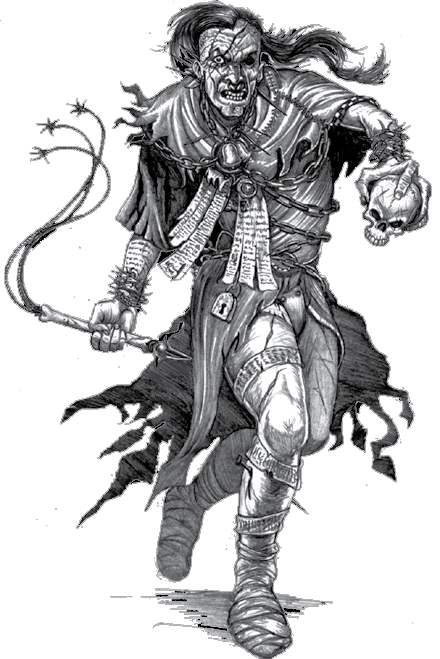
    Image Source: https://piemasterxl.deviantart.com/art/Flagellant-347753837

    Z is for Zealot

    Zealots have an extremely deep and fervent passion for their religion. They are driven to preach, convert, or prosthelytize about their religion, or to go to war against the enemies and heretics of their beliefs. These men and women often take their beliefs to extremes, including the attendant behavior. As a result these people often have unique abilities that are driven by their passions, and can cause even the staunchest of enemies or opponents to falter before them.

    Table Z1: Type of Zeal (roll 1d6 and 1d4) 
    • 1-2: Radical - Radicals use their zealotry to work against their enemies with words and actions that attack faith and ruling systems to tear them down in favor of their faith.
      1. Fanatic - The fanatic preaches to convert new followers. They may gain a bonus equal to their level on rolls to convert people to their beliefs or lead the believers of their deity.
      2. Insurgent - The insurgent specializes overthrowing governments and monarchies unfavorable to their faith. They may gain a bonus equal to their level on all rolls to undermine such enemies.
      3. Renegade - Renegades are converts, former followers of another faith who use their knowledge of that deity's faithful to further tear down their new deity's opponents. They may gain a bonus equal to twice their level when applying this specialized knowledge to aid their new god.
      4. Subversive - The subversive specializes undermining the works of deities the oppose their own. They may gain a bonus equal to their level on all rolls to undermine other deities either overtly, or covertly.
    • 3-4: Firebrand - Firebrands bridge the gaps between Radicals and Militants without being either. They specialize in mobilizing the faithful or urging the mob into action.
      1. Demagogue -The demagogue spews hateful speech about the enemies of their faith. They may grant allies of level zero or level one a damage bonus equal to their level through hateful rhetoric about their enemies. They may also gain a bonus equal to their level to recruit such followers by leveraging people's hatred and fear.
      2. Instigator - The instigator uses rhetoric to spur their followers into action, or gain the allegiance of new followers. They may grant allies of level zero or level one an initiative bonus equal to their level through rhetoric. They may also gain a bonus equal to their level to recruit such followers by leveraging rhetoric to inspire the faithful to action.
      3. Rabble-rouser - The rabble-rouser works behind the scenes, playing situations to their advantage by using the power of a mob to incite events that play into their own plans. The rabble-rouser gains a bonus equal to their level when attempting to form a mob, or to incite that mob into action in the furtherance of their own plans. If the rabble-rouser instigates a mob to violence the mob gains an attack bonus equal to half their level (round up) to attack rolls. 
      4. Agitator - The agitator works to weaken the enemy by harming their own faith or morale. The agitator gains a bonus when acting to damage enemy morale, cohesion, or when sowing discord within the enemy's forces or faith. When facing off against such a force in combat they may impose an attack penalty equal to half their level (round up) on their enemy's attacks through their agitating actions.
    • 5-6: Militant - Militants are the warriors are their faith, and zealous militants take their belief in their deity to the extreme, gaining martial prowess through their extreme devotion.
      1. Flagellants - In combat a Flagellant may wound themselves as a sacrifice to their deity. This allows them to re-roll a damage die, taking damage equal to the result of the re-rolled die. 
      2. Diehard - After being reduced to zero Hit Points, Diehards may continue to fight on for 1 round per level before collapsing.
      3. Maniac - The maniac charged into battle heedless of the consequences. They may choose to reduce their armor class by any amount up to their level and add the same amount to their attack rolls. 
      4. Champion - The champion is blessed by their deity (or believes they are) and is protected by divine grace. In battle they may gain a bonus equal to their level to their armor class, if they do so they must sacrifice a divine spell (if applicable), or forfeit any speak attack abilities for that round. 
    Table Z2: Zealous Passion (roll 1d6) 
    • 1-2: Zealot - The zealot may use their special ability once per day without other restriction
    • 3-4: Jihadist - The jihadist may use their special ability at will against a specific enemy of their deity or creature deemed unholy (e.g. at will against goblins).
    • 5-6: Crusader - The crusader may use their special ability, once per day per level against any of their deity's enemies/unholy creatures.

    Wednesday, May 16, 2018

    The Alphabet of Outer Beings - A is for Avatar


    A is for Avatar

    An avatar is a physical manifestation of a powerful outer being in the mortal plain. These representatives of gods or patrons often take the form of a mortal I the image of the outer being but this is not exclusive, it's possible for an avatar to be an animal, a column of fire, a burning bush, or even the animation of  an idol. An avatar may have all of the power of the outer being or merely be invested with a portion of it; likewise an avatar may be a direct conduit or an independent fraction of the outer being’s psyche.

    Table A1: Avatar Manifestation (roll %)
    • 1-50% - the avatar takes the form of a mortal intelligent creature, proceed to table A2
    • 51-70% - the avatar takes the form of an animal, proceed to table A3
    • 71-80% - the avatar takes the form of a plant, proceed to table A4
    • 81-90% - the avatar is embodies embodied in an abstract show off power, proceed to table A5
    • 91-98% - the avatar inhabits and animates an idol of the outer being
    • 99-00% - roll again twice & combine, ignoring all results of 91% or greater.
    Table A2: Mortal Races (roll 1d10 then proceed to Table A6)
    If the outer being only has followers of a single race ignore this table, the avatar takes the form of that race.
    1. Human
    2. Dwarf
    3. Elf
    4. Halfling
    5. Orc
    6. Goblin
    7. Ogre
    8. Giant
    9. Gnome
    10. Half breed, roll again twice
    Table A3: Animal Forms (roll 1d10 then proceed to Table A6)
    1. Canine/wolf
    2. Predatory bird
    3. Feline
    4. Fish
    5. Bird, non-predatory
    6. Ruminant
    7. Dragon
    8. Horse
    9. Serpent
    10. Mixed (roll again twice and combine)
    Table A4: Plants Forms (roll 1d6 then proceed to Table A6)
    1. Tree, Evergreen
    2. Tree, Fruit bearing
    3. Tree, Deciduous
    4. Shrubbery
    5. Flowers
    6. A mass of vines, moss, and grasses
    Table A5: Abstract displays of power (roll 1d6 then proceed to Table A6)
    1. A storm of lightning
    2. A pillar of flame
    3. A whirlwind
    4. A font of water
    5. A pillar of stone
    6. A beam of pure light
    Table A6: Avatar Divine Powers (roll 1d6 then proceed to Table A7)
    If the avatar is the creation of a supernatural patron replace clerical magic with wizardly magics.
    1. Divine Knowledge - though the avatar lacks any divine abilities it does possess knowledge
    2. Living Icon - The avatar is a living icon of their deity and may lay on hands and turn unholy as a cleric of level 1d10
    3. Minor clerical magic - The avatar is a weak cleric able to perform all the same divine magics as a cleric of level 1d3. 
    4. Clerical magic - The avatar is a cleric able to perform all the same divine magics as a cleric of level 2d4.
    5. Divine cleric - The avatar is able to fully channel the power of the deity and may perform any all clerical magic as a cleric of the normal maximum level. 
    6. Powers beyond mortal ken - The avatar is not only able to channel any and all clerical magics but also may perform divine miracles on behalf of the deity. 
    Table A7: Avatar's Hit Dice (roll 1d6 then proceed to Table A8)
    1. Mortal - 2d6 hit dice
    2. Tough Mortal - 4d8 hit dice
    3. Powerful - 6d10 hit dice
    4. Incredible power - 8d12 hit dice
    5. Nigh Immortal - 15d10 hit dice
    6. Demigod - 20d10 hit dice
    Table A8: Avatar's Purpose on the mortal plane  (roll 1d6)
    1. The avatar has been sent to deliver a prophecy.
    2. The avatar has been sent to protect a fated individual.
    3. The avatar has been sent to lead loyal forces in a war upon the deity's enemies.
    4. The avatar has been sent to fulfill a prophecy.
    5. The avatar has been sent to convert a specific person to the deity's worship.
    6. The avatar has been sent to kill an enemy of the deity. 

                Wednesday, May 2, 2018

                The Alphabet of Outer Beings - T is also for Temples


                Just as towers are the archetypal homes and workplaces of wizards, so to are Temples the typical residence and powerbase for Clerics. When it comes to Outer Beings a Deity is far more likely to influence the design, construction, and content of a temple than a Patron is for a wizard's tower. Temples come in many shapes and sizes, all influenced by the population of faithful in the area and the dictates of the deity to whom they are erected to honor. The following tables can help fill in the blanks if you need a temple on the fly, or if you are planning a location ahead of time.

                Table Tem1: Location of Temple (roll 1d8 (if needed))
                1. The temple is located in a village of less than 100 people. 
                2. The temple is located in a small hamlet of 100-500 people.
                3. The temple is located in a moderately sized town of 500-1000 people.
                4. The temple is located in a city of greater than 1000 people. 
                5. The temple is located within a castle or other fortification.
                6. The temple is located within a dungeon, cave, or mine.
                7. The temple is located on an remote island.
                8. The temple is located deep within an unexplored forrest.
                Table Tem2: Protection (roll 1d6)
                1. The temple is unprotected beyond the capabilities of the priests and any local faithful.
                2. Guards - The temple has guards, often in the form of janissaries, paladins, or zealots.
                3. Undead - The  temple is protected by some form of undead. For the temples of chaotic gods these are often scores of zombies or animate skeletons. The temples of lawful gods are guarded by the spirits of the faithful, often fallen members of a martial priesthood. 
                4. Divine Warding - Divine wards and blessings prevent unwanted visitors from entering the area until they are destroyed. 
                5. The location of the temple is hidden behind traps that are designed to be tests of faith for those who seek entrance. 
                6. Champions - The temple is protected by champions who are aligned to the deities goals. These are usually powerful supernatural creatures like Sphinxes, Dragons, and the like. 
                Table Tem3: Notable magical features (roll 1d6)
                1. The temple is home to a genuine relic of the deity. (see R is for Relics
                2. Only divine magic will work within the temple.
                3. The temple has been blessed and is truly a holy place. Divine magic is easier to cast and more effective within the temple and its grounds.
                4. The temple is no longer sacred ground. For some reason the temple has lost the favor of the deity and it is harder to channel their magic and such magic is less powerful. 
                5. The temple's fate is closely watched by the deity. If it is threatened beyond what its protectors can rebuff the deity is willing to send an Avatar to aid the defenders.
                6. A well spring is located on the temple grounds, 75% chance of being within the temple itself. For lawful gods this acts as a healing spring restoring those who drink from it. For neutral gods the waters of the spring have anti-magic properties and can remove curses and other magical effects. For chaotic gods the spring's waters have effects that vary seemingly at will and can encompass any magical effect (Judge's discretion); the temple priests likely have ways of determining the current chaotic effect (60% chance). 
                Table Tem4: Notable mundane features (roll 1d8)
                1. The temple houses a notably sized library of religious texts.
                2. The temple was built over a natural gas vent that feeds an eternal flame.
                3. The temple has a large catacomb beneath where many non-sainted individuals are buried. 
                4. The temple has an exceptionally tall tower, or overall large construction, marking it as the tallest/largest structure in the region.
                5. The temple is quite modest from the outside, but the inside is heavily embellished in precious metals, leaded/tinted glass, and fine sculpture.
                6. The temple is staffed only by a single sex of clerics, monks/nuns, etc.
                7. The temple is located adjacent to farms and the monks produce a highly sought food item (beer, cider, jams, hams, etc.)
                8. The temple is not fully enclosed, designed as an open air space. 50% chance of having a roof supported by columns, otherwise entirely open to the elements. 
                Table Tem5: Weird Stuff (roll 1d6)
                1. The temple was once a temple to another deity, 80% chance that significant architectural features remain. 
                2. The temple is built atop a high bluff such that the ascent is a labor of thousands of steps, or a climb up rope ladders, or rock wall. 
                3. The temple appears to be in a constant state of expansion/construction.
                4. The temple is in ruins but services are still held.
                5. The locals avoid the temple and refuse to even acknowledge it to outsiders. 
                6. The surrounding countryside and town have been carefully constructed such that the temple resides in the exact center of the area and that surrounding places of note lay out the deity's holy symbol if viewed from above. 

                Wednesday, April 25, 2018

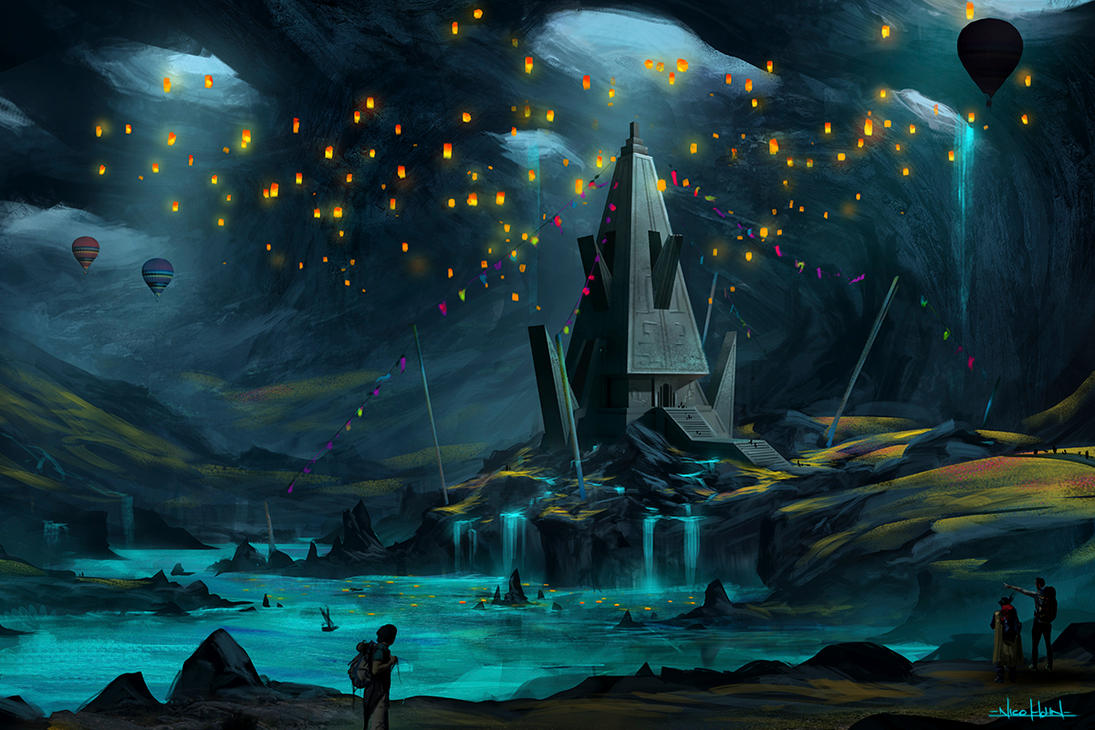
                The Alphabet of Outer Beings - T is for Towers

                Image Source: https://www.deviantart.com/art/Dominion-tower-741776408

                Towers are the traditional, some may say stereotypical, workshops and living quarters of wizards. The actual residence or domain of a supernatural patron is well outside the scope of a simple generator, and should probably be a planar realm or entire empire or kingdom of itself. However, the wizards who pledge their service to such Outer Beings likely design their own residences in accordance to the wishes and preferences of their patrons. Alternately you can just use this to whip up a random wizard tower your PCs stumble on during some hexploration.

                Table T1: Type of Tower (roll 2d6)
                1. How did you roll a 1 on 2d6? You're doing it wrong!
                2. Mountaintop - The wizard takes up residence atop a mountain, either in a cave or a simple hut of 1d3 rooms.
                3. Just a cave - The wizard makes their residence not in a tower, or even some other structure, but a cave, carved from the heart-rock of the world.
                4. A simple house - Not a tower at all but a simple house, one or two floors, wood and stone construction.
                5. Wooden tower - A traditional tower constructed from wood and other materials.
                6. Stone Masonry Tower - A classic tower of stone blocks, built to spec. or taken over later.
                7. Carved from Monolithic Stone - A freestanding tower carved from a single slab of monolithic rock. This may stand out in the landscape, or be one of many such monoliths.
                8. Tree house - A residence built within a living tree, 50%  chance of being entirely woven of the tree itself, otherwise constructed within the tree's branches from other materials.
                9. Castle Tower - The wizard has an earthly patron who provides them with a tower within their castle. 
                10. Cave behind a waterfall - Hidden behind a waterfall is a cave that has been made into a wizardly retreat. 
                11. Submerged - The tower is actually built into a body of water and only the entrance is visible above the waves. Most likely stone construction.
                12. A pocket dimension - The wizardly residence is actually in a pocket dimension accessible only via a trigger of some kind if a fixed location such as the top of a normal tower, or a natural location.
                Table T2: Protection (roll 1d8)
                1. Guards - The wizard employs some kind of living guards to protect their dwelling.
                2. Magical turrets - The wizard's dwelling is protected by active magical defenses in the form of spell turrets that cast attacks spells like magic missile, fireball, and the like.
                3. Golems - The wizard has 1d3 golems patrolling the area to keep out unwanted visitors. 
                4. Wards - Magical wards prevent unwanted visitors from entering the area until the wards are destroyed. 
                5. The location of the "tower" is hidden by magical illusions that hide the dwelling entirely. 
                6. Magical plants and vines grasp any trespasser, holding them in place until the owner can deal with them.
                7. The "tower" is incredibly small and can only be accessed by people using magic to shrink themselves down to size.
                8. The tower is protected by spatial warps that make the distance to the tower much greater that it seems. 
                Table T3: Weird Stuff (roll 1d6)
                1. The location of the tower is only accessible during at night.
                2. The tower can only be approached from a specific cardinal direction. 
                3. Time passes within the "tower" much faster, or slower, than normal. 
                4. The location and surrounding area are always affected by the same kind of weather. 50% chance of being inhospitable (rain/snow/fog), otherwise always fair. 
                5. The residence exists within an anti-magic pocket or zone that actually prevents any kind of magic from functioning. 
                6. The location of the tower is only accessible during daytime.
                Table T4: Notable mundane features (roll 1d8)
                1. The structure is in the shape of the patron's sigil. 
                2. The residence is vastly larger than needed for the volume of furniture and belongings within.
                3. The materials of the residence are especially rare and valuable. Worked masonry may be of all cut jade. Lumber comes from exceptionally rare trees. A cave dwelling in riddled with veins of precious metals or gems. 
                4. A small river or stream passes directly through the residence complete with a waterwheel to provide mechanical power/work.
                5. There is an orrery and an observatory atop the structure to allow detailed viewing of the stars.
                6. A cemetery abuts the residence. 
                7. A smithy abuts the residence.
                8. All the doors are pocket doors.
                Table T5: Notable magical features (roll 1d6)
                1. There is a well appointed lab for the brewing of potions
                2. A large summoning circle has been permanently inscribed into the floor in pure gold. 
                3. A crystalline apparatus to aid in enchanting items is located on the grounds.
                4. A garden of exotic magical and mundane plants is well tended.
                5. A stable houses a small collection of strange beasts.
                6. The entire property can be piloted from within and moved via the following means:
                  1. Great mechanical legs
                  2. Magical flight
                  3. Teleportation
                  4. Non-magical flight via balloons and propellers.
                  5. A series of clockwork ants that swarm under the building and carry it off.
                  6. An aligned dragon who owes a favor to the owner.